
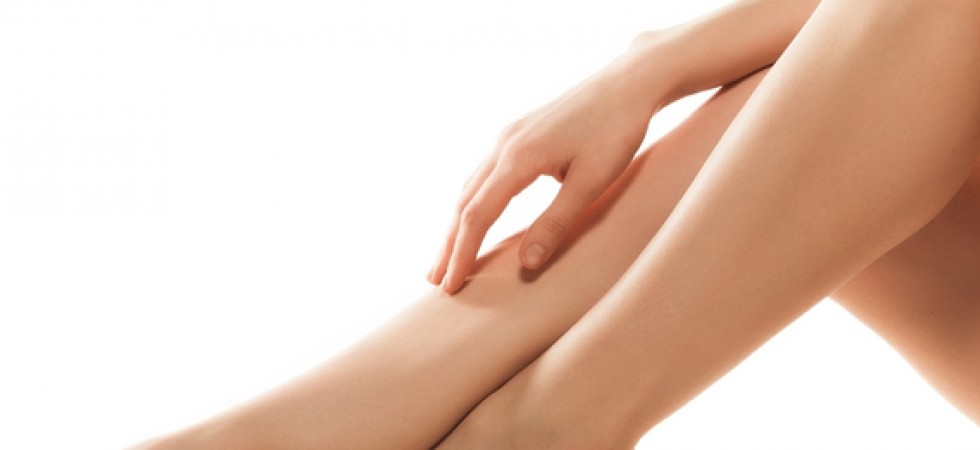
Transformation in Leg Aesthetics: Causes of Deformities and Modern Contour Solutions
Legs are a key area that determines harmony and proportion in body aesthetics, especially for women. While smooth and elegant legs directly affect an individual's self-confidence, deformities arising from various reasons such as excessive thickness, thinness, crookedness, or asymmetry can lead to not only aesthetic but also serious psychosocial problems. Current leg aesthetics and shaping applications offer permanent and effective solutions to these structural issues.
The Source of Structural Disorders: Bone or Soft Tissue?
Identifying the flaws in leg contours is vital for the correct treatment strategy. The main causes of these disorders are as follows:
Developmental and Disease-Related Deformities: Issues related to bone structure often lie behind the appearance of crooked legs. Specifically, bone deformities such as Genu Varum known as O-leg or Genu Valgum known as X-leg can occur as a result of insufficient Vitamin D intake during childhood, low sun exposure, or diseases affecting bone development like rickets. These conditions sometimes require the combined work of Orthopedic Surgery and Plastic Surgery. Sequelae of polio can also cause significant asymmetries.
Irregularities Due to Fat and Muscle Distribution: Even if the bone structure is normal, excessive fat accumulation or a lack of fullness in certain areas of the legs can be observed due to genetic predisposition or weight fluctuations.
Two Main Strategies in Leg Contouring Applications
Methods for reshaping the aesthetic leg appearance are gathered around two main goals according to the basic needs of the patient:
1. Regional Thinning and Proportioning for Thick Legs
The solution for individuals complaining about the thickness of the leg circumference is generally the Liposuction method, also known as fat removal. In this procedure, stubborn fat tissue that is resistant to diet and exercise, especially in the inner knee, inner and outer thigh, calf, and ankle areas, is removed with the help of sensitive cannulas. The aim is to create a more aesthetic and proportional leg silhouette that is compatible with the upper and lower body, rather than just thinning the legs.
2. Volumizing, Symmetry, and Shaping for Thin or Crooked Legs
In cases where there is a lack of fullness or non-bony crookedness in the legs, the goal is to fill the contour deficiencies.
Fat Transfer or Lipofilling: Symmetric and natural fullness is achieved by injecting purified fat tissue taken from the person's own body into the hollow and missing areas of the legs, especially the gaps in the inner parts. This method is frequently preferred because it leaves no scars and provides a natural appearance.
Leg Implants or Calf Prostheses: Silicone implants can be applied as a permanent solution to add volume to an excessively thin calf area where muscle mass is insufficient.
Critical Factors for Successful Results
Leg aesthetics requires a high level of artistic skill and surgical precision. For a successful result, detailed planning by a specialist physician before the operation is essential. This planning should include a personalized surgical combination, such as liposuction and fat transfer in the same session, taking into account the patient's skin quality, fat distribution, bone structure, and expectations.
These applications not only eliminate the physical concerns of the patients but also permanently increase their quality of life and self-confidence by achieving their aesthetic goals.